
Invisalign in Hackensack, NJ: Is Clear Aligner Treatment Right for You?
June 1, 2026When people start thinking about straightening their teeth, one question often comes up early in the process: "Do I really need braces, or is there another option?"
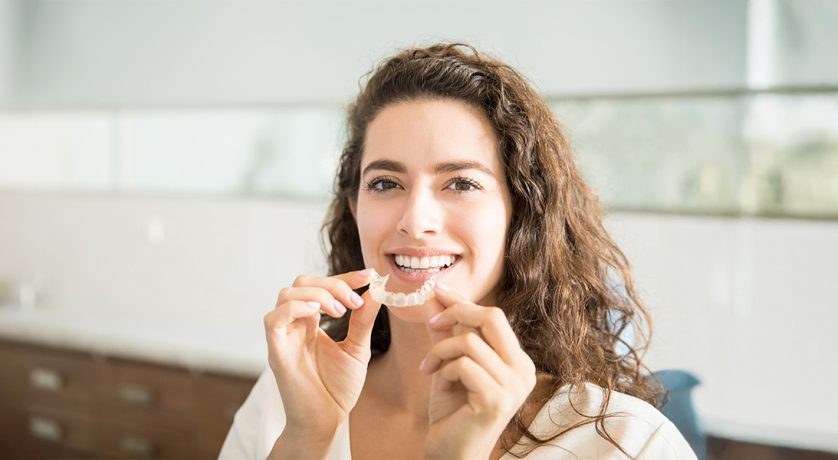
For many adults and teens, the idea of wearing metal brackets for months or even years can be discouraging. That is one reason clear aligners have become increasingly popular. Invisalign offers a different approach to orthodontic care, allowing teeth to be repositioned through a series of nearly invisible trays that can be removed when necessary.
Still, popularity alone should not drive treatment decisions. The real question is whether Invisalign can achieve the type of tooth movement needed in your specific case.
For individuals exploring Invisalign treatment options in Hackensack, NJ, understanding the strengths and limitations of clear aligners is an important first step.
What Makes Invisalign Different?
Traditional braces move teeth using brackets and wires attached to the teeth. Invisalign uses a sequence of custom-made aligners that fit snugly over the teeth and apply controlled pressure over time.
Each aligner is worn for a designated period before moving to the next set in the series. Small adjustments accumulate gradually, allowing teeth to shift according to the treatment plan.
The ability to remove aligners makes it easier for patients to maintain good oral hygiene and enjoy their preferred foods throughout treatment.
Can Invisalign Correct Every Orthodontic Problem?
Not always.
One of the most common misconceptions about Invisalign is that it can address every alignment issue. While clear aligners have advanced significantly over the years, certain orthodontic problems remain more challenging than others.
Invisalign may be recommended for concerns such as:
Crowded Teeth
When teeth overlap because there is not enough room within the dental arch, cleaning can become more difficult. Depending on the severity of crowding, aligners may be able to create additional space and improve positioning.
Gaps Between Teeth
Spacing issues can affect both appearance and function. In many situations, aligners can gradually reduce unwanted spaces while improving overall alignment.
Underbite and Related Bite Concerns
Some mild to moderate underbites and bite discrepancies may respond well to Invisalign. More complex bite relationships sometimes require different orthodontic approaches.
Minor Rotations and Alignment Irregularities
Teeth that have shifted out of position may often be corrected through clear aligner therapy when the required movement falls within the system’s capabilities.
What Happens Before Treatment Starts?
The process begins with a thorough assessment of the teeth, gums, and bite, allowing the dentist to determine the most appropriate approach for aligner treatment.
Digital scans provide detailed information about tooth positioning and allow the treatment team to map out potential movement. Before beginning orthodontic treatment, any existing dental problems, such as gum disease or untreated decay, may require attention.
This planning stage plays an important role in determining whether Invisalign is likely to produce predictable results.
Why Wearing Aligners Consistently Matters
Unlike braces, Invisalign is not attached to the teeth.
That flexibility is convenient, but it also places more responsibility on the patient. Aligners that spend too much time out of the mouth cannot create the planned tooth movement.
To help achieve the planned tooth movements, aligners are generally worn for 20 to 22 hours per day. Consistency often plays a significant role in keeping treatment on schedule.
Who Typically Chooses Invisalign?
People pursue Invisalign for different reasons.
Some want a less noticeable orthodontic option for professional or social settings. Others prefer being able to remove aligners while eating or brushing their teeth.
However, convenience alone does not determine candidacy.
The amount of crowding, the position of the bite, overall oral health, and the type of tooth movement required all influence whether Invisalign is a suitable choice.
Patients seeking an experienced Invisalign dentist in Hackensack should look for a provider who carefully evaluates these factors before recommending care.
Invisalign or Braces: Which Makes More Sense?
This question comes up frequently, but there is no universal answer.
Braces remain highly effective and are often recommended for cases involving significant tooth movement or complex bite correction.
For appropriate candidates, Invisalign can effectively address a variety of mild to moderate orthodontic concerns when aligners are worn as directed.
Rather than asking which system is better, it is often more helpful to ask which system is more appropriate for the specific clinical situation.
The Role of Preventive Care During Orthodontic Treatment
Healthy teeth and gums provide a stronger foundation for successful orthodontic care.
Many patients benefit from a dental exam and cleaning before beginning Invisalign. Preventive visits also remain important throughout treatment because they allow dental professionals to identify concerns before they become larger problems.
Invisalign and Cosmetic Dentistry
Improving tooth position can influence the outcome of future cosmetic procedures.
For some patients, Invisalign serves as a preliminary step before pursuing other cosmetic dentistry treatments. Aligning the teeth first may create a better foundation for procedures such as veneers, bonding, or professional whitening.
Why Patients Turn to Hackensack Dentist
Orthodontic treatment involves more than simply receiving a series of aligners.
Careful planning, ongoing monitoring, and realistic treatment expectations all contribute to the overall process.
At Hackensack Dentist, recommendations are based on clinical findings, patient goals, and a detailed assessment of oral health and bite relationships. This individualized approach helps ensure that treatment decisions reflect each patient’s circumstances rather than a standard protocol.
Patients searching online for Invisalign near me often begin with questions about candidacy, treatment length, and expected outcomes. A consultation is an ideal time to discuss treatment goals, review concerns, and learn about the solutions available to support your oral health.
Final Thoughts
Clear aligners have expanded the range of orthodontic options available to both adults and teens. However, successful treatment depends on more than choosing a popular system.
The complexity of tooth movement, the condition of the teeth and gums, and the patient’s commitment to wearing aligners all influence the outcome.
For those considering clear aligners, providers in Hackensack, NJ, offer a professional evaluation, which remains the most reliable way to determine whether Invisalign can achieve the desired goals.
Frequently Asked Questions
Invisalign uses a series of custom-made aligners that gradually reposition teeth according to a planned sequence of movements.
Pricing can differ from patient to patient based on the complexity of treatment, the length of care required, and the level of insurance coverage available. A consultation is necessary to provide an accurate estimate.
Neither option is universally better. The most suitable approach depends on the type and complexity of the orthodontic concern being addressed.
To support effective tooth movement, aligners are typically worn for 20 to 22 hours daily unless otherwise directed by the dentist.
An evaluation of tooth positioning, bite relationships, oral health, and treatment goals can help determine whether Invisalign is appropriate for your situation.